
What We Learned at GSX 2026: From Connected Systems to Better Responses
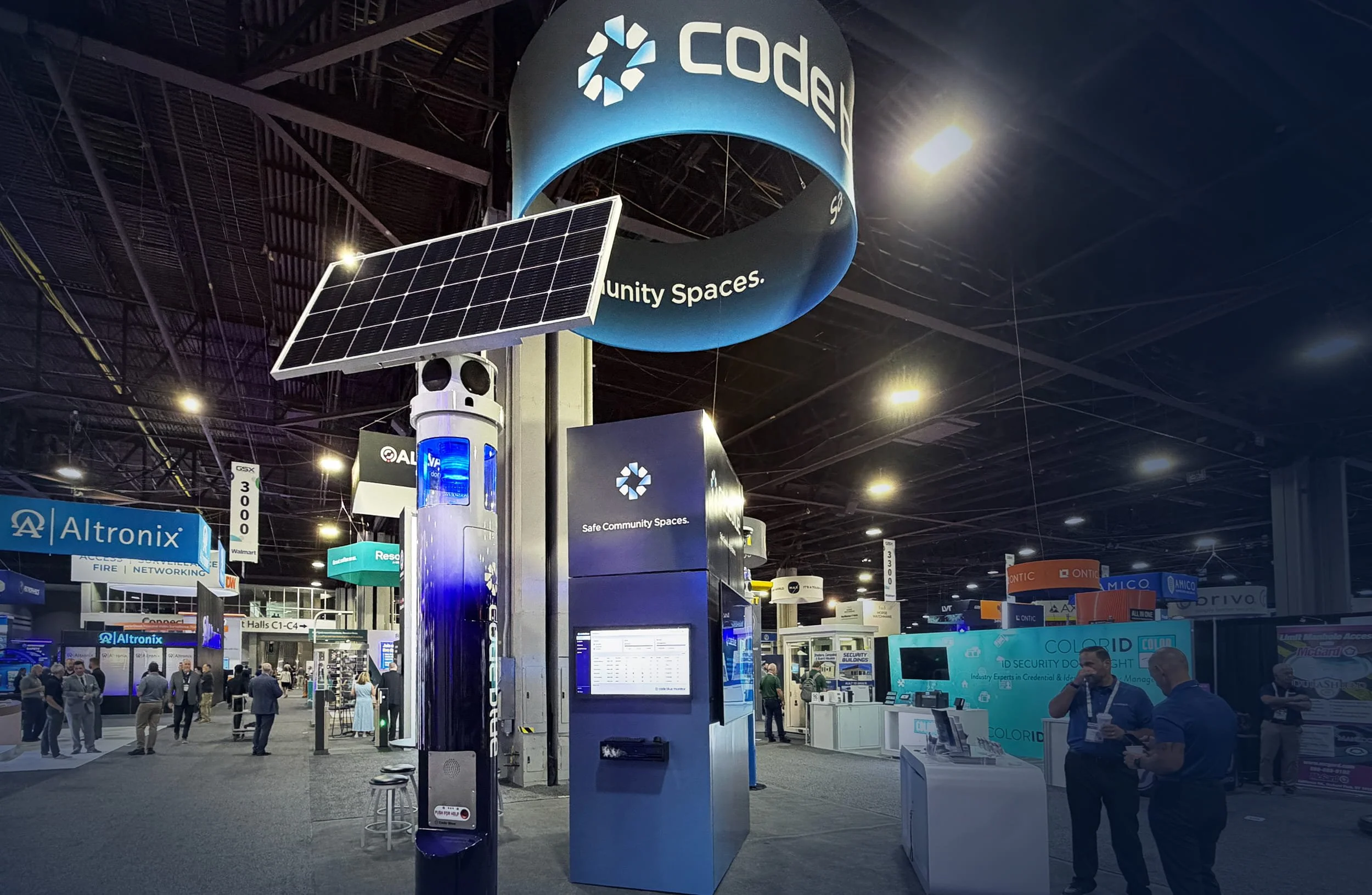
GSX 2026 brought security professionals, technology providers, and integrators to Atlanta to explore where the industry is headed next.
Across the show floor, we observed that the conversation is increasingly moving beyond individual products and technologies.
What matters is not only what technology can do, but how well it connects, how practical it is to deploy and manage, and whether it ultimately helps people respond more effectively.
Here are four themes that stood out to us.
Theme 1: Connected Security Systems Need to Work Together
For years, integration dominated the conversation in physical security. That continued at GSX, but the discussion is evolving.
Connecting cameras, access control, communications, monitoring, and other systems seems to be the starting point. What do these connections actually enable?
In the event of an incident, can information move between systems? Can one event trigger the next action? Can security teams get the context they need without moving between multiple platforms?
At GSX, we saw more emphasis on unified platforms, coordinated workflows, and organizing different sources of information around an outcome.
For Code Blue, this reinforces what we mean by Beyond the Button. A Help Point® can anchor a broader safety communications ecosystem, combining highly visible points of assistance with capabilities such as area lighting, audio paging, cameras, wireless connectivity, and AED access.
Code Blue extends that infrastructure with connectivity, monitoring, diagnostics, and ongoing system management, all from a single cloud-powered platform. The goal is to make the infrastructure already in place work harder: better context, faster response, and more value over time.
Theme 2: Solar Power Expands Deployment Options
One of the most common topics of conversation at the Code Blue booth was solar power. Customers and integrators were looking for practical ways to deploy Help Point® devices across campuses, parking lots, pathways, and other outdoor or remote locations where traditional electrical service may be unavailable, difficult to access, or costly to install.
This interest reflects a broader need for flexible deployment options. By reducing dependence on conventional electrical infrastructure, solar power can make it easier to place highly visible points of assistance where they can provide the most value and support an organization’s broader safety and communication objectives.
The conversations at GSX reinforced an important point: effective safety technology must not only be connected and reliable, but also practical to deploy where people need it most.
Theme 3: The Relationship Doesn’t End at Installation
Getting a system installed is only the beginning. We also saw continued emphasis on cloud platforms, managed services, monitoring, diagnostics, reporting, and lifecycle support.
Security systems are increasingly being treated as ongoing operational capabilities rather than one-time installations.
Customers need to know whether their devices are connected and working, understand what is happening across their environment, and adapt as their needs and technology change.
This changes what customers expect from manufacturers and integrators. The job doesn’t end when equipment is installed. Software, connectivity, monitoring, diagnostics, maintenance, technical support, and future upgrades are now part of keeping a system working over its entire lifecycle.
For Code Blue, this is where the physical Help Point® and the technology meet. Highly visible hardware remains an important part of the safety environment. Code Blue provides connectivity and ongoing visibility that can help organizations monitor and manage their systems after installation.
The manufacturer, integrator, and end user each have a role in keeping the system operating effectively as needs evolve.
Theme 4: Innovation Has to Create Useful Outcomes
There was no shortage of AI at GSX.
We saw AI-powered analytics, automated detection, summaries, threat intelligence, and other applications throughout the show. What do these technologies help people do?
Examples promoted at GSX ranged from AI that reduces false alarms and prioritizes events for human review to systems that combine video, analytics, and incident workflows to give operators more context.
The common thread is usefulness.
The most compelling applications weren’t just generating more data. They helped people cut through noise, understand what mattered, and decide what to do next.
For us, that means technology should support human action. Innovation should make safety systems easier to understand, manage, and act on.
What We Are Taking Home
The technology highlighted at GSX will keep changing. AI capabilities will advance. Cloud platforms will grow. New products and integrations will arrive.
But the larger direction feels consistent.
Security technology is becoming more connected, more intelligent, easier to deploy, and more focused on ongoing performance. The measure of technology is not how sophisticated it appears. It is whether it can be put where it is needed, work effectively with the systems around it, and help people understand what is happening and take meaningful action.
Building a more connected safety communications ecosystem?
See how Code Blue’s Help Point® devices, deployment options, and cloud-powered management work together.
John Plooster,
Director of Sales,
Code Blue Corporation
Written by: John Plooster who is the Director of Sales at Code Blue Corporation. He joined Code Blue in 2012 after more than 15 years as a sales engineer and manager in telecommunications, and he works with integrator and distribution partners to design and connect emergency communication systems.