
Permission to Act
Late this spring, a birthday celebration at the Grand Haven Municipal Marina suddenly turned urgent. A man collapsed on a dock. People nearby noticed the commotion, including bystanders on a boat that was having trouble docking. Two registered nurses, Martina Dykstra and her daughter Leah Schafer, stepped in right away. They checked on the man, who was cyanotic and barely had a pulse, removed his sunglasses, and began CPR. One bystander started timing compressions. Others supported the effort until paramedics arrived and took over.
The man survived. Later, the nurses connected with his family through social media, a small but meaningful moment of closure.
The setting was ordinary. An everyday waterfront space where a medical emergency unfolded in plain view. And the response worked, imperfectly but effectively, because people noticed, cared, and stepped up.
The Invisible Bridge That Matters Most
The skill of two trained nurses with decades of combined experience stands out. So does something quieter: the short, critical window between the moment something goes wrong and the moment professional responders can fully engage. In that window, ordinary people often become the first line of meaningful action.
Dykstra captured it well: "We're a community, and we're responsible for each other. And it's a beautiful thing when we can be there for each other." Schafer echoed that same human truth, speaking to the legacy of nursing in her family and the soul-to-soul reality of showing up for a stranger in crisis. Awareness rippled outward in a simple domino effect as people noticed, moved closer, assisted, timed compressions, and supported one another.
This is community response in its most grounded form. Helping the people already present feel confident enough to act, rather than outsourcing every moment to distant systems. Across public spaces, the difference often comes down to readiness, visibility, and permission. Permission to understand what is happening. Permission to be useful. Permission to act appropriately when seconds count.
Enabling More Moments Like This
We celebrate stories like this one because they remind us what is possible when people feel equipped to intervene. Yet they also quietly point to opportunities to make these successes more common and less reliant on perfect timing or nearby professionals.
In high-traffic waterfront areas like marinas, parks, and docks, people gather, boats come and go, and medical events can happen without warning. Small, thoughtful enhancements can amplify what bystanders are already willing to do. That might mean clearer visibility of life-saving tools, intuitive ways to call for coordinated help, quick-access equipment, or simple guidance that reduces hesitation in the moment.
The nurses in this story had training and each other. Many bystanders do not. When we create environments where more people feel prepared, through accessible training, obvious equipment, and systems that connect the dots faster, we extend the reach of professionals and lighten their load during those first, decisive minutes.
We have seen similar dynamics near Grand Haven's own State Park beach, where integrated tools have supported faster responses and deterrence. The marina incident shows that the same principle applies across adjacent spaces. Communities thrive when these areas are treated as part of a broader, intuitive safety fabric rather than in isolation.
The Path Forward Is Shared
Community Safety means reclaiming a sense of stewardship and designing spaces where everyday people can contribute alongside first responders. It has never been about turning every visitor into a hero or installing technology for its own sake. When a collapse happens on a dock, bystanders should not feel helpless. Environmental support helps bystanders and trained professionals use their instincts to become even more impactful.
Incidents like this one reflect a culture that values attentiveness, equips willing hands, and connects the pieces so responses feel coordinated rather than chaotic. The result goes beyond saving life in the moment. It is a greater peace of mind for everyone who uses these shared spaces. More visitors. More enjoyment. Stronger communities.
If this story leaves us with anything, it is a reminder to look around a little more, care a little more, and keep making our shared spaces safer together. None of us knows when we may be called to help. All of us can be part of creating places where help feels closer, clearer, and more human.
What This Looks Like for Waterfront Property Leaders
If you lead a marina, a park district, a harbor, or any space where people gather near water, this story offers a practical lens. Can the people on your property understand what is happening? On that dock, people learned about the emergency by noticing a commotion. A prepared space announces it. Clear sightlines, visible alerts, a signal that says something is happening and where.
Can they be useful? The bystander who timed compressions had one clear job, and it mattered. A prepared space hands out jobs. Visible equipment. Simple guidance. A way to reach nearby people who have opted in to help, starting with the ones who have training.
Do they know they are allowed to act? Hesitation shrinks when people can see what is happening and what they can do. Grant the first two permissions and the third mostly follows.
At Code Blue®, we built a short readiness assessment to help property leaders see which of these permissions their space grants and which it withholds. It takes about two minutes.
Source: “Mother-daughter nurses save man with CPR in Grand Haven,” WOODTV.com
At Code Blue®, we built a short readiness assessment to help property leaders see which of these permissions their space grants and which it withholds. It takes about two minutes.
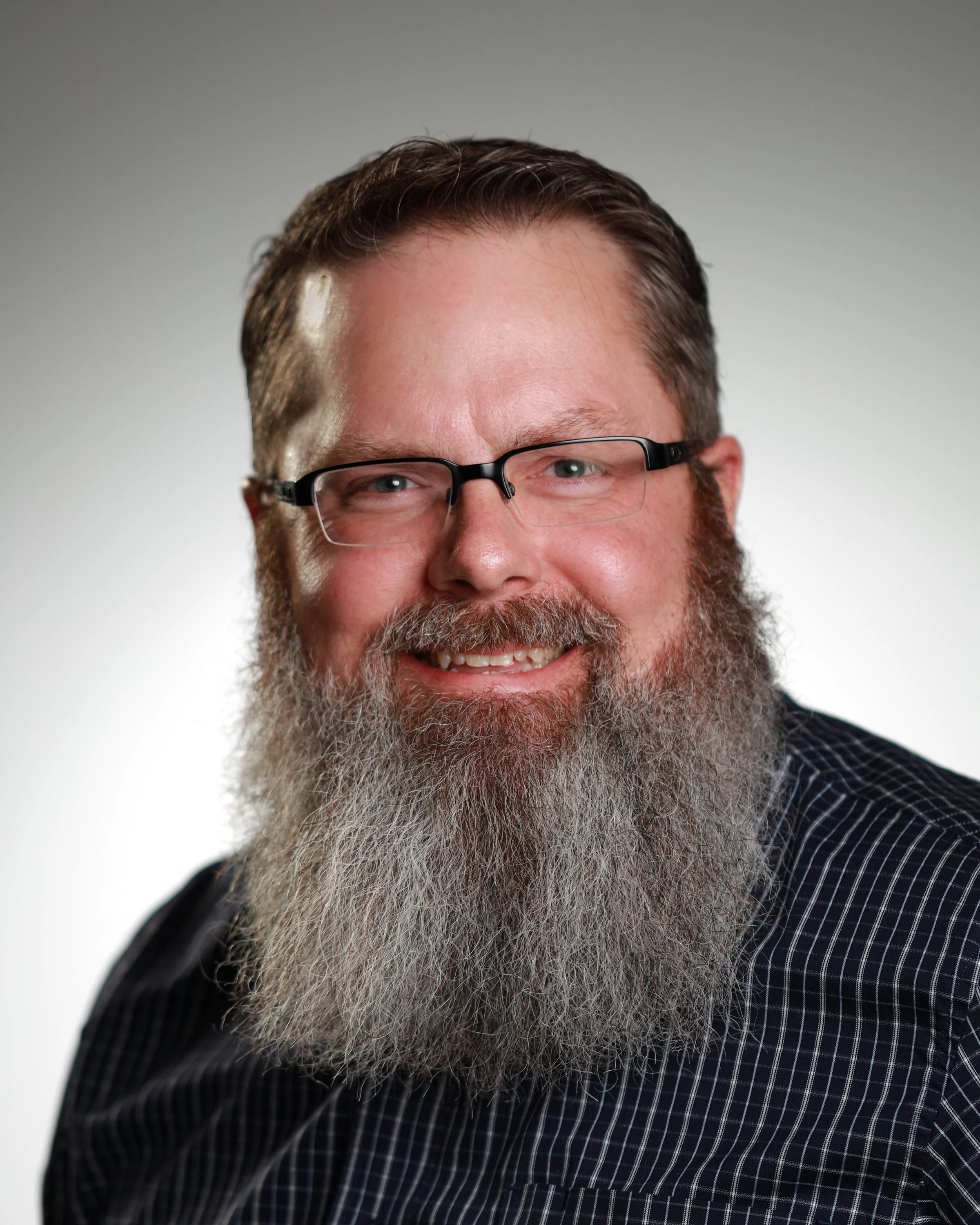
David Cook, CEO
Code Blue Corporation
David Cook writes about Community Safety at Code Blue, where he leads the conversation about the layer of property safety that exists between the moment something happens and the moment trained help arrives. He publishes a newsletter on the subject every two weeks. You can subscribe at: https://go.codeblue.com/safe_community_spaces