
Supported Bystanders: The Hidden Power in Community Safety
Tragedies like the drowning of 18-year-old Isaiah Edmond at Grand Haven City Beach last summer hit hard. A young man from Ohio enjoying Lake Michigan got caught in dangerous conditions under red flag warnings. Bystanders noticed him struggling, grabbed a life ring, pulled him toward shore, and immediately called 911. First responders arrived quickly and performed CPR. Despite their best efforts, he did not survive. Our hearts go out to his family and friends.
While the loss is heartbreaking, this incident also highlights something powerful about how communities function during emergencies.
The Invisible Safety Net That Saves Minutes
We often focus on official metrics: response times, staffing levels, and equipment specifications. Those matter. But some of the most valuable things that happen in a crisis are the unplanned, hard-to-measure moments before professional help arrives. The moments when everyday people step in as supported bystanders.
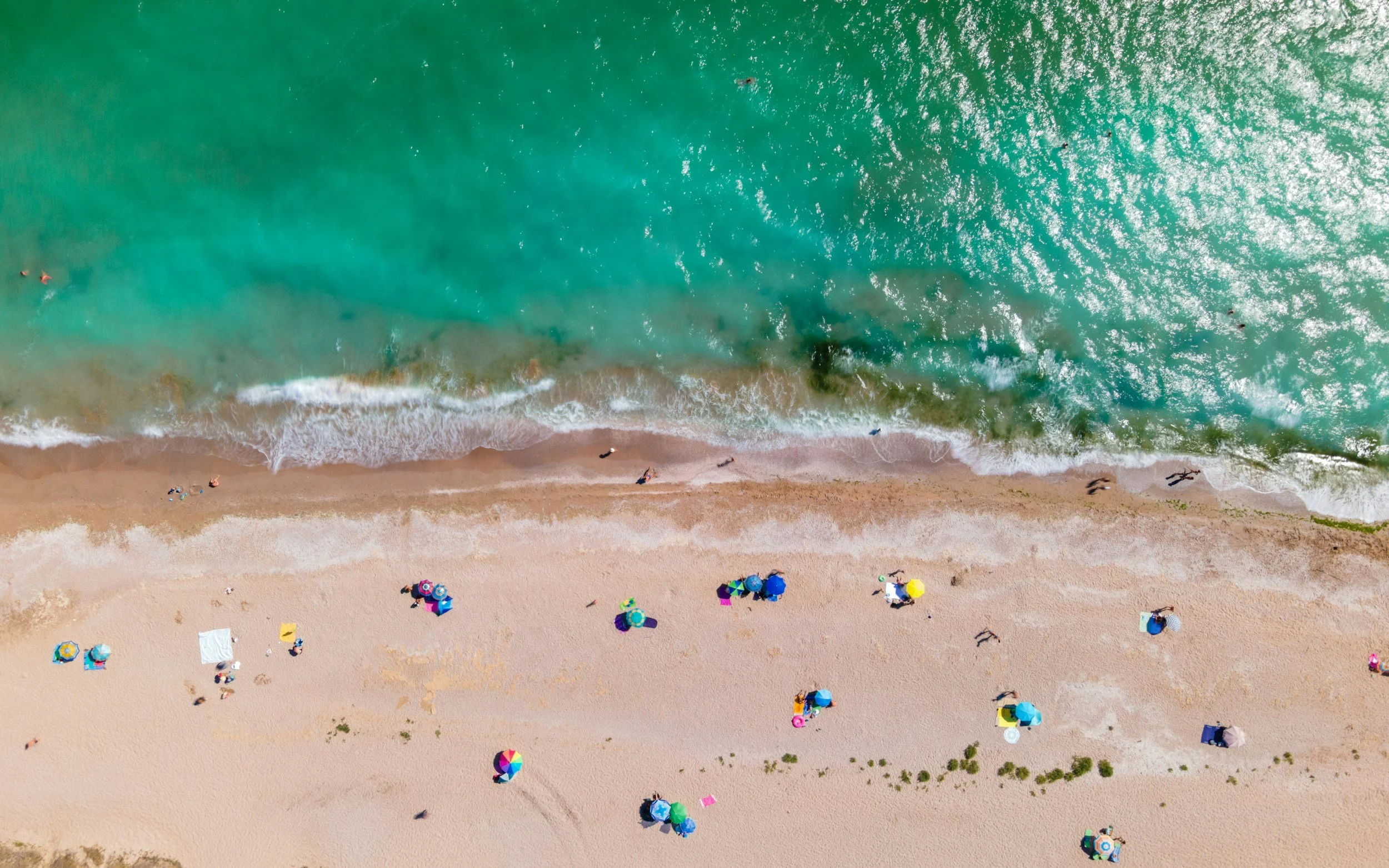
Grand Haven City Beach sits directly next to the more advanced Grand Haven State Park beach. The State Park features a modern, web-enabled emergency warning system with audible alerts, upgraded life rings, and DNR staff on site. City Beach operates more casually, without on-duty lifeguards or automated announcement systems.
In Isaiah's case, regular beachgoers did act. They saw the emergency, used the available life ring, and called for help. Those critical minutes of bystander intervention made a difference, even if the outcome was tragic.
Imagine Connecting the Ecosystem Better
What if City Beach had simple community safety devices integrated with the neighboring state park's system? Pulling a life ring could trigger an immediate announcement that alerts not only people on City Beach, but also DNR staff just next door. "Possible distress at the city beach. Eyes open."
No formal inter-agency agreement would be required. Just smart technology amplifying human readiness. This is the beauty of a well-established safety ecosystem: fortunate, unplanned consequences where one beach's resources can naturally support another when people need it most.
These cross-boundary assists are not always planned, but they flow naturally when communities build connected tools and a culture where bystanders feel equipped to act.
The Real Power of Community
The strength of a community is not only in its professional responders, although they do incredible work. The strength also lies in creating conditions where supported bystanders can bridge those first crucial minutes.
Along the Great Lakes, where conditions can turn dangerous quickly, this matters deeply. Up and down those shorelines are towns where a tourist economy means strangers arrive every week, do not know the water, do not know each other, and do not know what the local norms are for asking for help or offering it. Connected safety infrastructure is how you give those visitors a way in. Visitors can quickly shift into a mindset in which they willingly ask, “How can I help?”
By adding thoughtful safety enhancements like shared alert systems for neighboring beaches, better signage, and accessible life-saving equipment, we empower everyday people to act effectively alongside first responders. We do not replace professionals. We extend their reach through community awareness and simple technology.
The rules between city and state agencies can be complicated. The basic human rule is simple: when someone is in trouble, you help if you can. Smart design makes that instinct faster, louder, and more effective.
What This Could Look Like in Practice
A connected community safety ecosystem, the kind we have spent the past several years building at Code Blue, has four elements working together.
Devices that communicate with each other. A life ring at City Beach and an audible warning system at State Park sharing a single network. An activation of one triggers awareness on both. This does not require new agreements or new staffing. It requires devices that were designed from the start to talk to each other.
Multilayered alerts. When a device is activated, the response goes in multiple directions simultaneously. Audible and visual alerts at the site. Direct notification to property custodians by text, call, or radio. Real-time data to Emergency Communications Centers through platforms like RapidSOS Data Connect.
An opt-in bystander network. People in the space who have signed up receive a simple text message when something is happening. No app required. People with CPR or first aid credentials get reached first.
Automatic documentation. The entire response is recorded with timestamps, location data, and incident details. This serves the bystanders, the property owners, the responders, and the families who often need answers afterward.
What Comes Next
The next time you are at a beach, a park, a transit hub, or any place where people gather, look for the visible safety devices. Notice whether they look like they belong to a connected system or whether they look like isolated pieces of equipment.
Most of them are still the second. The work of changing that is underway, and the technology to do it now exists. What remains is the will to build it.
A Vision for Community Safety is the full version of what I have been sketching here. It walks through what a connected community safety ecosystem looks like at scale, the technology that makes it possible, and the path forward for property owners who want to be part of it.

David Cook, CEO
Code Blue Corporation
David Cook writes about Community Safety at Code Blue, where he leads the conversation about the layer of property safety that exists between the moment something happens and the moment trained help arrives. He publishes a newsletter on the subject every two weeks. You can subscribe at: https://go.codeblue.com/safe_community_spaces