
From Call Box to Connected Line: A Transit Leader’s Guide to Modern Safety Infrastructure
A rider waits on a platform after dark. A few steps away, a blue light marks an emergency call station. She may never press the button, but knowing help is within reach changes how the wait feels. That same visible, connected presence discourages trouble before it starts, because it signals that this platform is looked after and that help is one button press away.
Down the platform, a train pulls in. The conductor already knows there’s a passenger waiting who needs help boarding, because the customized Code Blue Help Point’s amber strobe is lit. On a crowded platform, in rain or at dusk, a rider in a wheelchair can be easy to miss. But on this large commuter railroad, the passenger was able to press a dedicated boarding assist button, and doesn’t worry about being left behind.
Those two moments capture what riders expect from transit safety today. They want to feel secure while they wait, with help they can see and reach. They want every rider, whatever their mobility, vision, or hearing, to get on board. And agencies need infrastructure that delivers both while keeping the whole network moving.
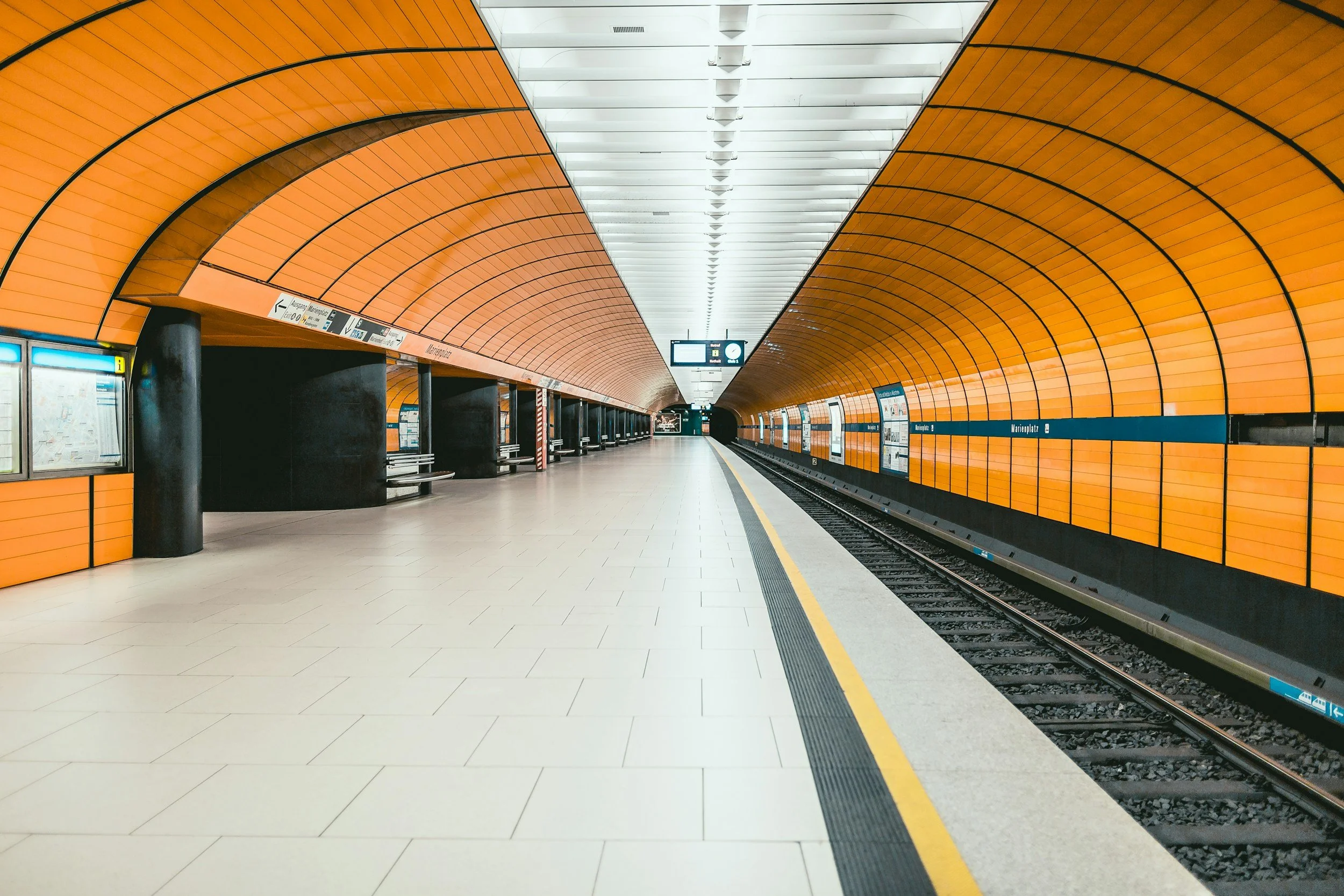
The transit safety challenge today
Riders choose transit for where it takes them, what it costs, and how convenient it is. Safety and assistance shape how that trip feels. A platform with visible help, clear communication, and a fast response makes for a better rider experience at every stop.
That experience reaches beyond the platform. Stations that feel safe and cared for are better places to wait, work, and gather, which supports the transit-oriented development cities are counting on. Safety infrastructure is part of that foundation.
Many transit networks still rely on standalone call boxes connected by aging analog phone lines. Each unit works on its own. It places a call, and the rest of the response depends on who answers and what they can figure out. Modern rail and bus environments ask for more: Connected devices that share location, video, and data across a single system.
From standalone hardware to a connected ecosystem
Visible safety anchors. Illuminated blue light Help Points, in towers, pedestals, and wall-mount units, give riders a recognizable place to get help. Their visibility also discourages trouble before it starts. On one Midwest bus rapid transit line, customized pedestal Help Points with blue light beacons offer two-way emergency audio managed through central software. They’re built heavy-duty, weather-hardened, and vandal-resistant for exposed platforms and bus shelters.
Cloud management and automated diagnostics. Transit agencies are moving from high-maintenance analog POTS lines to cellular, IP, and cloud platforms. The biggest operational gain is visibility. Devices report their own health, uptime is monitored automatically, and firmware updates are pushed remotely. Maintenance teams spend their time fixing problems they already know about, instead of traveling from station to station to check units by hand.
Unified video and communications. When voice, video, access control, and mass notification share one dashboard, control rooms can act faster. Video analytics can flag track intrusion or an unusual crowd, and the team sees the device, the camera, and the location together.
Equity, accessibility and rider well-being
A transit network serves everyone who needs it, including riders with mobility, vision, or hearing needs. Accessibility works best when it’s built into the hardware riders already use.
Boarding assist. The dual-strobe design keeps two needs clearly separate. The boarding assist button flashes amber to alert the conductor. The emergency button flashes blue and connects to dispatch. Strobe colors can follow each agency’s signaling standards, too. A neighboring railroad runs the same setup in purple.
Inclusive communication. Hearing loop options help riders who use hearing aids communicate through emergency units. Full-duplex two-way audio lets both sides talk and listen at once, which matters on a loud platform with a train arriving.
Built on request: specialized transit applications
Many of Code Blue’s transit solutions began with an agency asking a simple question: Can you help with this?
Crisis support. At bridges and other locations where someone may be in crisis, cellular handsets connect directly to a crisis line the moment they’re lifted, giving a person the chance to talk with someone right away.
Tram track safety. An airport tram system asked for emergency phones interlocked with rail power, so an activation can cut power to the track if someone falls onto it.
Worker safety. For maintenance crews in rail tunnels where reliable cellular service is impossible, NEMA-enclosed emergency handsets run on standard 15W PoE, so they fit existing low-power infrastructure.
Audio paging. Systemwide public address and mass notification integrations help agencies reach riders across every station at once.
The first thirty seconds: a connected response
“A connected community safety system does five things simultaneously. In the first thirty seconds. Automatically.”
- David Cook, CEO, Code Blue
Code Blue has spent nearly 40 years perfecting reliable, vandal-resistant emergency communication devices. Our blue light phones remain the trusted foundation of public safety in thousands of locations. Our history of innovations in safety communications has enabled capabilities that go far beyond what a simple phone call can do.
But we’re just getting started. We see a future where fully connected safety systems empower property custodians to engage bystanders, coordinate response, learn from actionable data, and continuously improve outcomes.
Here’s what that can look like for transportation networks:
The exact location goes out immediately. Security receives the station, platform, section, and device ID, so nobody has to search.
The right people know right away. Audible and visual alerts activate at the device, and the security team gets a text, call, or radio message with the location.
Dispatch sees the scene. Dispatchers can receive the device location and live audio or video from the device.
Nearby riders can help. People holding CPR, AED, or first aid credentials are aware of the situation and can act, if able.
The whole response is recorded. Timestamps, the alert sequence, response times, and outcomes are logged automatically for program reviews, insurance, and liability documentation.
The operational payoff is speed of verification. When a control room can see and hear what happened, it can decide faster whether an incident needs a line closure, and for how long. Shorter closures mean fewer missed connections, less crowding on neighboring lines, and a quicker return to schedule. Read the full five-step breakdown.
Procurement and implementation
Specify early. Transit projects typically go out to public bid, and they’re often installed by electrical contractors instead of security integrators. When price decides the award, performance requirements that aren’t written into the specification rarely make it into the project. Working with A&E firms early to define connectivity, diagnostics, accessibility, and integration requirements helps the finished system match the agency’s goals.
Modernize in stages. Agencies don’t need to replace everything at once. IP and cloud conversion kits can bring existing analog hardware onto a connected platform using the power already in place, avoiding costly trenching. Upgrades can move station by station as budgets allow.
Frequently asked questions about transit safety infrastructure
-
A Help Point is an emergency communication device, such as a blue light tower, pedestal, or wall-mount unit, that lets riders reach help with the press of a button. Code Blue® Help Points® are built for exposed platforms and bus shelters. On connected systems, they share location, audio, and video with security and dispatch.
-
Community Safety is a proactive approach to protecting people in shared spaces, built in before anything happens. In transit, it means connected Help Points, alerts, and communication tools that support riders, bystanders, staff, and security in the minutes before trained responders arrive. Code Blue uses the term for this layer between an incident and professional response.
-
A boarding assist Help Point gives riders who need help boarding a dedicated button. Pressing it flashes a strobe that conductors can see as the train pulls in. This is separate from emergency or help stations that flash blue and connect to dispatch. Code Blue developed the design with a commuter railroad, and strobe colors can follow local signaling standards.
-
Emergency communication devices can support riders with disabilities in three ways: boarding assist buttons with visual strobes, hearing loop options for riders who use hearing aids, and full-duplex two-way audio that lets both parties talk and listen at once on loud platforms. Code Blue configures Help Points around each agency’s accessibility needs.
-
On a connected Code Blue system, five things happen automatically in the first thirty seconds. The security team is alerted, with the exact location where the call was initiated. Dispatch can receive live audio or video, and opted-in nearby bystanders with CPR training get a text. Finally, the full response is recorded with timestamps.
-
Many agencies are moving from analog phone lines to cellular, IP, and cloud platforms. IP and cloud conversion kits can bring existing call box hardware onto a connected platform using the power already in place, which avoids costly trenching or conduit installation. Code Blue’s cloud platform adds automated diagnostics, uptime monitoring, and remote firmware updates.
-
Integrated video, audio, and device location let a control room see and hear an incident right away, so it can verify what happened faster. That helps agencies decide sooner whether a line closure is needed and for how long. Delays stay shorter, and the rest of the network stays closer to schedule.
-
Work with A&E firms to write performance requirements into the specification early. Cover connectivity type, remote diagnostics, accessibility features, video and dispatch integration, and durability ratings. Transit projects often go to public bid and are installed by electrical contractors, so requirements left out of the spec rarely make it into the finished system.
Bring us the problem
Safety infrastructure shapes whether riders trust the system, whether they come back, and how smoothly the network runs every day. The agencies making the most progress start with the specific problem on their platforms and build from there.
If your agency has a platform, station, or line challenge it’s been working around, talk with the Code Blue team. We’ll look at what you have today and map a path to a connected system.